
Old Archives
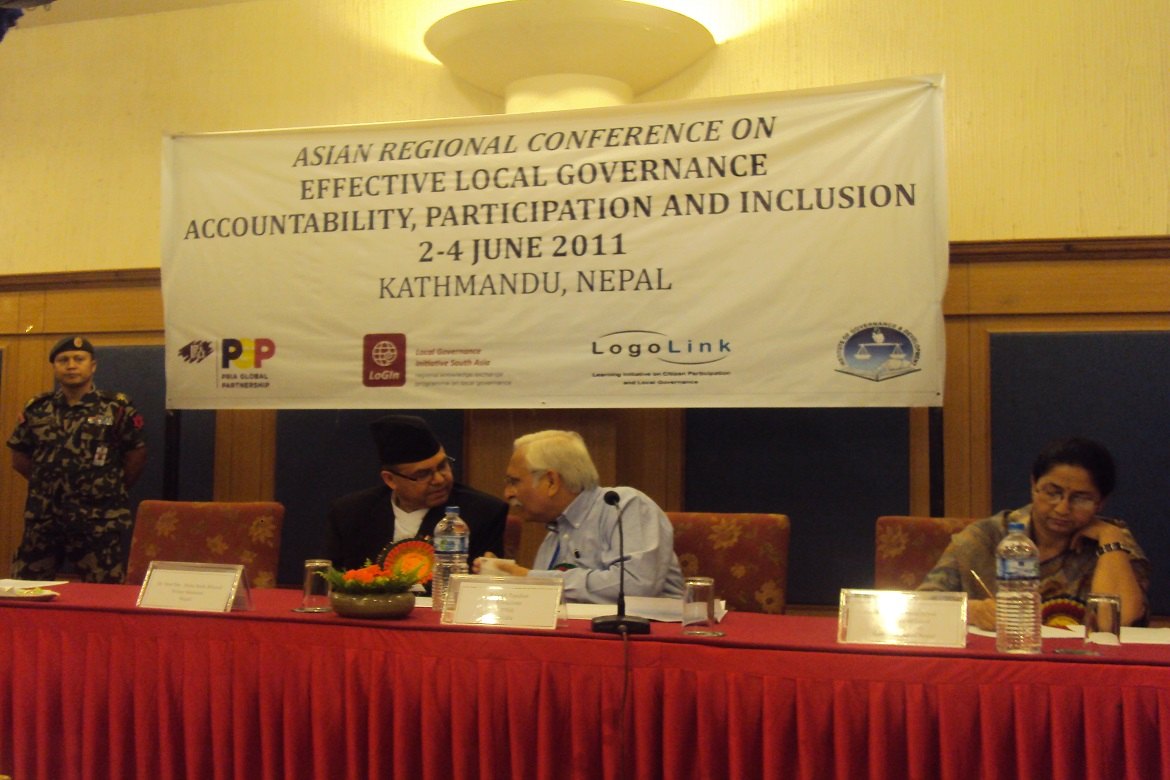
IGD implemented activities towards "Strengthening the Voice of Marginalized Groups in the Constituent Assembly Process in Nepal". The activities were implemented in over two dozen districts in the Western and Central Development Regions.
A total of fourteen thousand people, fifty-two percent of them women, participated in community dialogues. The participants represented diverse demographic composition in the community. A total of twenty-eight CA members, sixty-one local leaders, thirty-seven government officials, two hundred ninety-five ethnic leaders, one hundred seven civil society representatives, ninety-one journalists and eighty-three others participated in district declarations in seventy-five districts, which was later compiled and consolidated into a citizen national manifesto for the CA.
The citizen national manifesto, containing major inputs of communities to be incorporated in the forthcoming constitution, was submitted to the Constituent Assembly.
The socio-economic indicators of education and income show that the status of women continues to be rather poorer. Their participation in decision making and in public affairs tends to be very poor and negligible. Women generally engage in household chores and farm work from dawn to dusk. Their contribution has always been important but remains ignored and undermined. The government has introduced several political and social measures to empower women, but these measures are yet to benefit women in rural areas.
Keeping in view the need to strengthen the voices, agency and organization of citizens at the grassroots, IGD conceptualized citizenship rights as the entry point to build the competence of rural women to engage with local bodies and other service providers. The activities were implemented in districts of the Western Development Region such as Rupandehi, Chitwan, Kapilvastu, Makwanpur, Palpa and Lamjung.
Rural women were encouraged to organize into citizen groups at the village level to enhance their solidarity and civic actions. The citizen groups carried out collective actions to raise awareness of women about their rights, entitlements and obligations — from cleanliness and sanitation in village settlements, to trainings for rights and alliance building, to citizen education for engaging with local agencies to access resources and demand services. The groups also initiated actions of their own to combat violence against women and other forms of social injustice, and mobilized resources to sustain core actions at the local level.
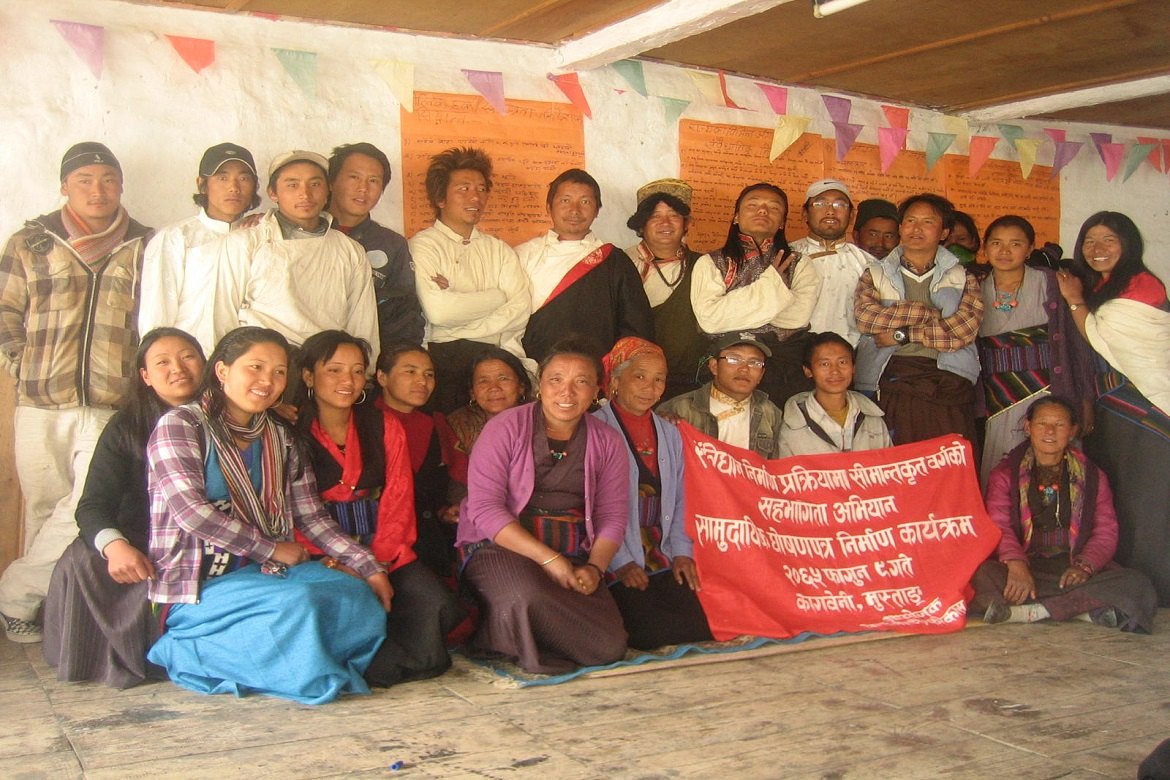
Adherence to democratic values, inclusiveness within political organization and a clear separation of the role of parties and state institutions constitute the basis for good political governance.
IGD organized a number of dialogues with political leaders to enhance their contribution to strengthening local governance, peace and democratization of the state. Representatives of political parties and Indigenous People's Organizations (IPOs) actively took part in these events. Constitutional and governance experts facilitated the discussions and gave inputs as resource persons in the district-level interactions.
Consultations at different levels were held to sensitize the framers of the constitution and to plead for a new separate chapter on the competences and mandates of local government in the new federal constitution.
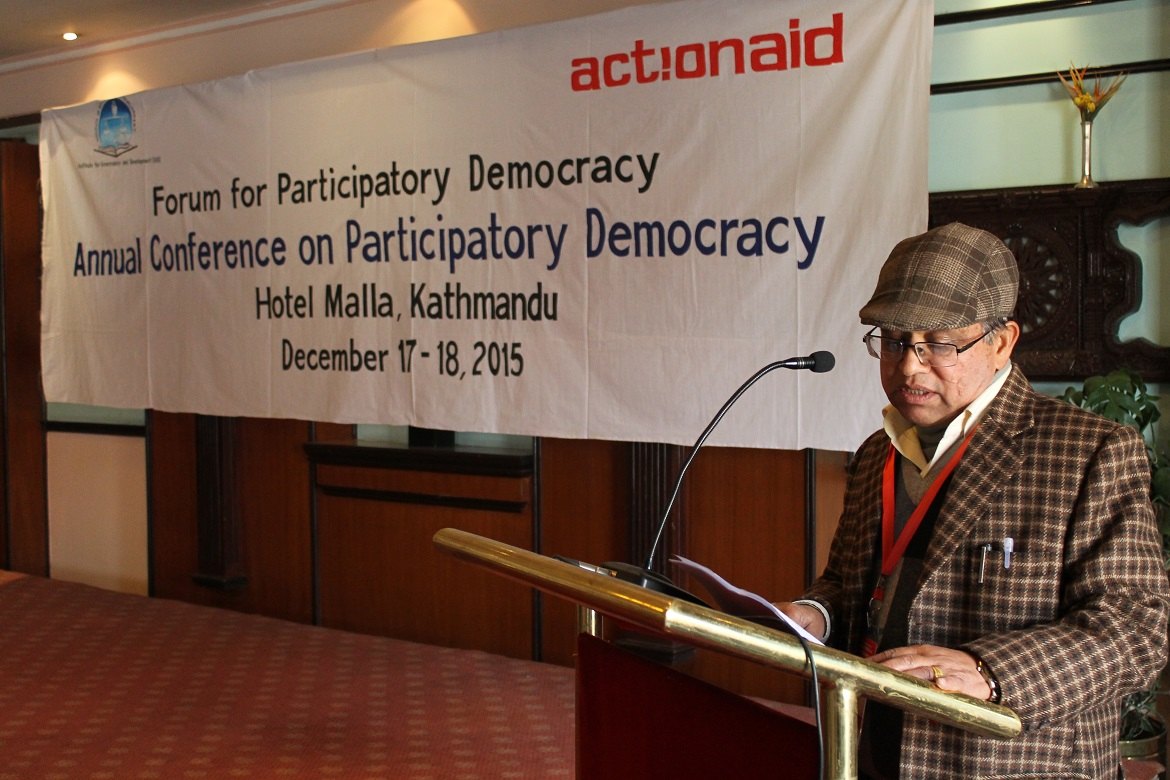
Enhancing Cultural Diversity for Dignity and Development of Indigenous Communities in Nepal was a three-year project funded by the European Union (EU) and implemented from January 2010 in 80 selected Village Development Committees (VDCs) across 8 project districts — Kavrepalanchowk, Rasuwa, Dhading, Chitwan and Makwanpur in the Central Region, and Lamjung, Kaski and Gorkha in the Western Region of Nepal.
The project was implemented by WVAF (World Vision Advocacy Forum) as the national partner, in consortium with the Institute for Governance and Development (IGD) as the lead, and three national Indigenous Peoples Organizations: Nepal Tamang Ghedung (NTG), Gurung Tamu National Council (GTNC) and Nepal Chepang Association (NCA). WVAF led the Institution and Capacity Building component.
The target groups and final beneficiaries were indigenous people — the Gurungs, the Tamangs and the Chepangs — and their organizations and institutions in the selected 80 VDCs (10 from each district). Other IPOs and networks at district and national level, human rights organizations, indigenous rights activists, political parties, elites and media were collaborators in the project.
Specific objectives
- Promote cultural diversity and intercultural dialogues at local and national levels.
- Promote awareness on the need for cultural diversity and conservation of cultural heritage.
- Enhance institutional capacity and creativity in cultural products as means of livelihood.
Expected results
- Improved understanding of cultural issues such as the importance of culture, cultural rights and cultural diversity.
- Reduction of the incidences of culture-based discrimination.
- Contribution to respect for all cultures equally, for coexistence.
- Formulation of relevant policies and plans to protect indigenous culture and cultural entitlements.
- Cultural rights established as fundamental rights, to protect and promote indigenous culture and cultural diversity.
- Indigenous culture and knowledge systems recognized and protected in the new constitution.
Major activities
Social and political dialogues on cultural diversity and policy influence; celebration of cultural events and promotion of cultural tourism; political dialogues to ascertain cultural rights in the new constitution; creativity in education using the best cultural practices; awareness building on cultural value, diversity and heritage conservation; development of a cultural forum to fight cultural discrimination; use and replication of the best traditional practices; protection of unique culture and renovation of cultural heritage; institutional capacity building of IPOs; support to artists and creators of cultural goods and enterprises; development of a forum for those artists and creators; and promotion of market access for cultural goods and services.
Albums
Photo albums
Basic Trainings
Bhimad, Kihu-Devghat and the Bhimad office.
Orientation
Devghat, Kihu and Tanahusur.
Conference
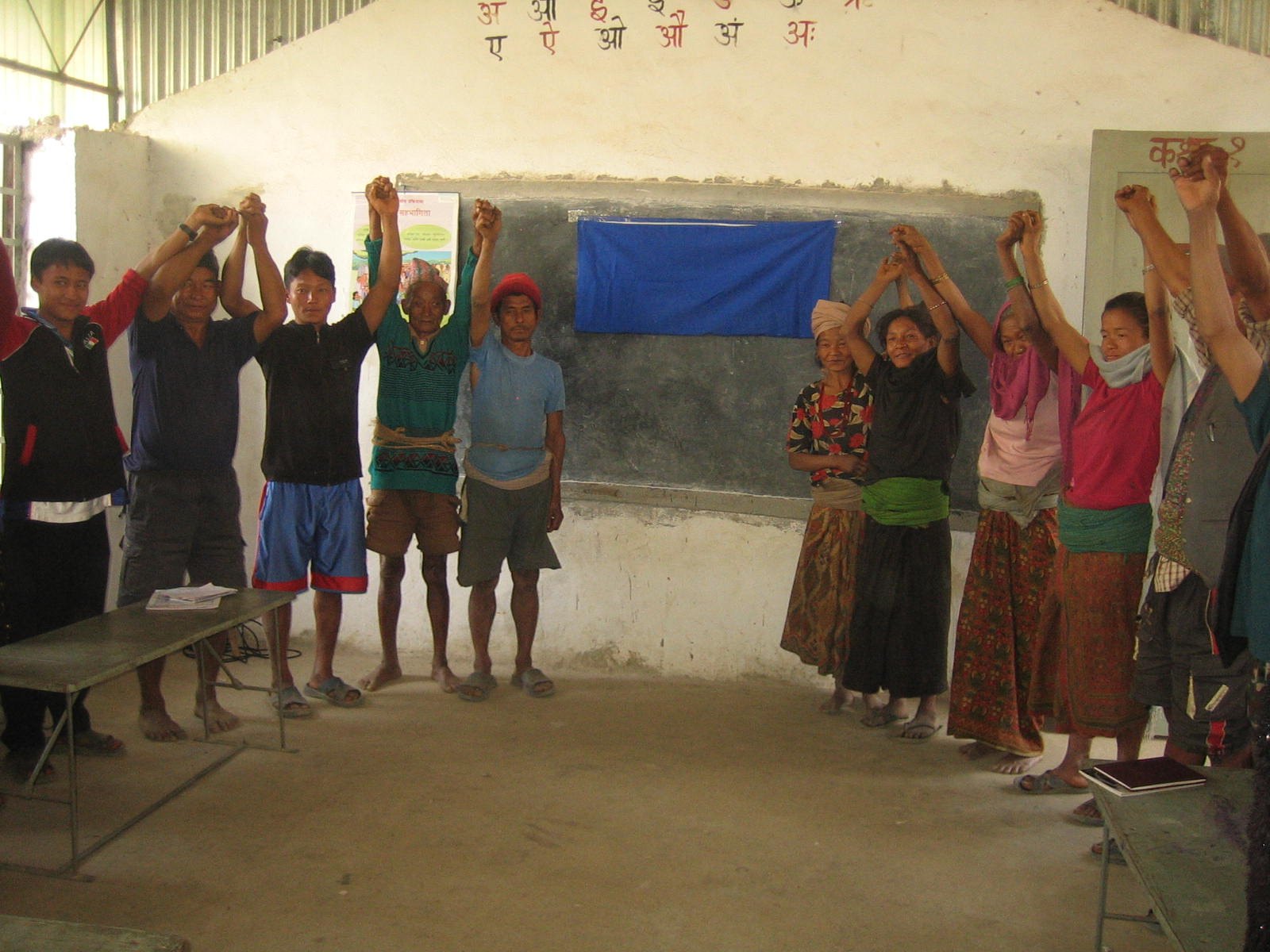
Participatory Democracy Conference 2015.
Public Awareness
Eight districts across Nepal.